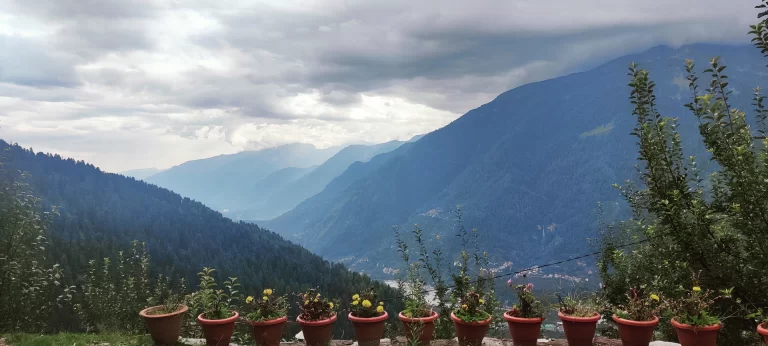
In the modern era, travel photography is incredibly one of the most rewarding ways to capture the essence of new destinations. Whether it is landscapes, cityscapes, or cultural moments, a well-composed photograph is a boon. It helps to transport viewers to another place. But the question is how to get good travel photos.
Is this question bothering you?
Worry not!!
In this blog post, we have mentioned a few effective tips for beginners that will help you enhance your overall travel photography skills. So, why are you wasting your time on useless things? Let’s move ahead!!
Effective Travel Photography Tips for Beginners
The diverse climate of Vietnam means that the best time to pay a brief visit can vary on the basis of the part of the country you are planning to explore. Here is a complete breakdown of the perfect time to visit different regions in Vietnam –
1. Research Your Destination
After understanding the history, weather, and local customs, you can easily plan your shots better. Along with this, you will also be able to be at the right place at the right time. For instance, knowing that a famous landmark looks best during sunrise, can assist you plan an early morning visit for the perfect shot.
2. Use Natural Light to Your Advantage
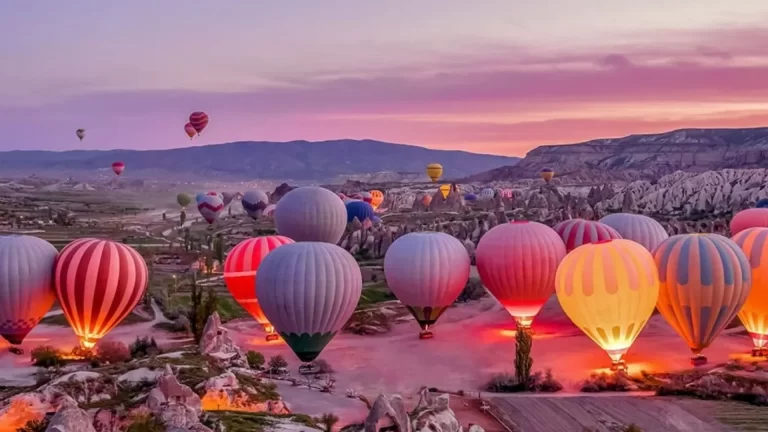
Lighting is also significant in photography. The interesting part is that natural light can help you make a significant difference in the quality of your photos. The best times for natural light are during the “golden hours.” These hours are shortly after sunrise and just before sunset.
During this period, the light is softer and warmer. It adds a magical glow to your images. Overlook harsh midday sunlight. It is essential because it can create unwanted shadows and high contrast. So when shooting indoors, try to position your subject near windows to utilize soft or diffused light.
3. Pack Light and Smart
Are you traveling, lugging around heavy camera equipment? It can be cumbersome and restrict your movement. So, opt for a versatile camera with a few essential lenses. A lightweight DSLR, mirrorless camera, or even a high-quality smartphone can work wonders. If you have a DSLR or mirrorless camera, you can consider carrying a prime lens for street photography and a zoom lens for landscapes. Remember to bring extra batteries, memory cards, and a portable tripod. As a result, you can enjoy stable shots while in low-light conditions.
4. Tell a Story
Simply put, great travel photography is not just about beautiful pictures, rather it is also about telling a story. So, think about the narrative that you want to convey through your images. Instead of focusing solely on postcard-perfect shots, capture the small details that define a place.
The place can be – local markets, street food vendors, cultural performances, or the expressions of people. A series of images that tell you a cohesive story about your journey can be more engaging than a collection of random shots.
5. Pay Attention to Composition
The composition also plays a crucial role in making your photographs visually appealing. For this, it will be best for you to use the rule of thirds. Here you can divide the frame into nine equal parts by two horizontal and two vertical lines.
Place your subject along these lines. You also have the option to place it at their intersections. This way, you can create a balanced composition. To be precise, leading lines, such as – roads, rivers, or fences, can guide the eye of the viewer through the image. In this scenario, symmetry, framing, and patterns are other compositional elements that can assist depth and interest in your travel photos.
6. Capture Candid Moments
No doubt that the posed photos have their place. But the main thing is that candid shots often tell more authentic stories. These stories can be about capturing people going about their daily lives, playing with children, and a chef preparing a meal.
Often candid moments offer you a glimpse into the true character of the place and its inhabitants. When photographing people, you always need to be respectful. Besides, when appropriate you can ask for permission. Candid shots require patience and quick reflexes. So, try to keep your camera ready and be observant of your surroundings.
7. Experiment with Different Angles and Perspectives
You need not be afraid to get creative with your shots. Instead of taking photos from eye level, you need to change your perspective. It will be helpful for you to shoot from a low angle. This way, you can make subjects appear more imposing or from a high vantage point for a sweeping view of the landscape.
This way, it will be better for you to look for reflections in water, and use frames within the scene. These scenes are such – archways or windows and incorporate foreground elements to add depth. Doing experiments with different angles and perspectives can also result in unique as well as compelling images.
8. Include People in Your Photos
Including people in your travel photos can also help you add a sense of scale and emotions to your images. Are you walking along a beach? Or are you standing beside a towering monument? It can help you acquire a reference point and also make the landscape appear more dramatic.
Individuals also bring life and context to your photos. It will also show you how they interact with their environment. So, remember to respect the privacy of the people as well as their culture. You need to be more careful while photographing strangers, especially when you are in more conservative or private settings.
9. Use a Tripod for Stability
A tripod is a valuable tool for travel photography. This is especially true in low-light situations, long exposures, and night photography. It allows you to keep your camera steady which results in sharper images. By using a tripod for shooting cityscapes at night. This way, you can also capture smooth water effects in rivers or waterfalls, and create long-exposure shots of the night sky. Portable, lightweight tripods are ideal for travel and you can easily pack them into your luggage.
10. Adjust Camera Settings Manually
While automatic mode is convenient, by learning to use manual settings, you can have more control over your photos. Try to experiment with the aperture, shutter speed, and ISO so that you can achieve different effects. A wide aperture ( low f-number) creates a shallow depth of field. It will blur the background and make your subject stand out.
A slow shutter can also be utilized to capture motion blur. But keep this thing in mind a fast shutter speed freezes action. Adjusting ISO allows you to shoot in low light without a flash. But you need to be mindful of noise at high ISO levels.
11. Shoot in RAW Format
By shooting in RAW format, you can capture all the data from the camera sensor. It will provide you with more flexibility in post-processing. Unlike JPEG and RAW files, you need to retain more detail. It will allow you to adjust exposure, white balance, and colors without compromising image quality.
Particularly, this is useful in challenging lighting conditions where you may need to recover shadows or highlights during editing. Just keep in mind that RAW files are larger than JPEGs. So, make sure that you have ample storage space.
12. Edit Your Photos
Post-processing is also an essential step in digital photography. Try to use editing software namely – Adobe Lightroom, Photoshop, or mobile apps. This way, you can enhance your images. With the basic adjustments, you can make a significant difference. These adjustments are – cropping, straightening, exposure correction, and color enhancement.
However, you need to be careful not to over-edit. It should be your aim to enhance the photo and keep it natural. Editing assists you in refining your vision and bringing out the best in your travel photos.
Conclusion:
Hopefully, by following the tips given above, you will be able to know how to get good travel photos. This way, you can surely capture stunning travel photographs. These photographs will not only document your journey but also tell engaging stories. With practice and creativity, you will be able to develop your unique style. Along with this, you can also create a portfolio of images. It showcases the beauty as well as diversity of the whole world.