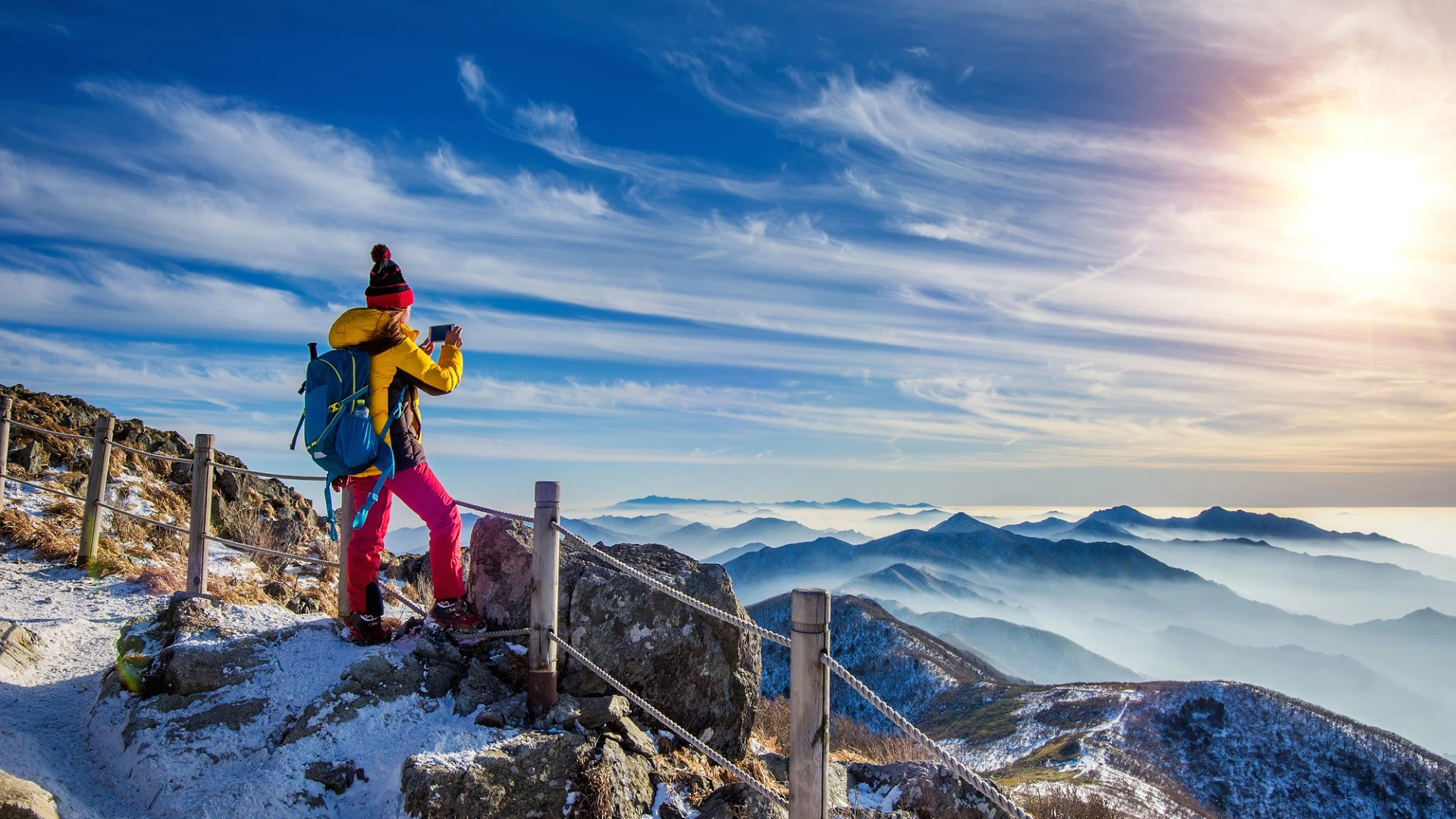
Mountains have a magic all their own crisp air, breathtaking views, and a sense of freedom that city life can never give. But for first-time mountain travelers, this magic can quickly turn into stress, fatigue, or disappointment if you don’t know what you’re doing. Locals who’ve grown up in the mountains seem to navigate these challenges effortlessly. They know the hidden trails, the weather quirks, and the rhythm of life at high altitudes.
Here’s a guide to the most common mistakes first-time mountain travelers make, and how locals handle them differently.
1. Underestimating Altitude
First-timers’ mistake:
Thinking that because a mountain destination looks peaceful, the altitude won’t affect you.
What happens:
Shortness of breath, headaches, nausea, or fatigue can hit within hours. Some travelers ignore these symptoms and try to power through.
What locals do:
Locals acclimatize naturally because they live at high altitudes. They pace themselves, hydrate frequently, and eat local foods that help with altitude. They also know which trails or towns to stop at for a gentle climb.
Pro tip for beginners:
Spend a day or two acclimatizing before attempting long treks. Drink plenty of water and avoid alcohol in the first 24 hours.
2. Packing Too Much or Too Little
First-timers’ mistake:
Overpacking bulky clothes, or underpacking essential gear like waterproof jackets or sturdy boots.
What happens:
Heavy backpacks make treks exhausting, and missing gear can ruin a hike in sudden rain or cold winds.
What locals do:
Locals travel light. They layer clothes for warmth, carry multipurpose items, and trust their knowledge of weather patterns rather than packing for “every possible scenario.”
Hidden tip:
Invest in breathable, quick-dry fabrics. A light down jacket and a rainproof shell are often all you need.
3. Ignoring the Weather
First-timers’ mistake:
Assuming sunny mornings mean sunny afternoons.
What happens:
Sudden thunderstorms, snow, or fog can turn an easy trail into a dangerous situation.
What locals do:
Locals read the sky like a book. They know that mountain weather can change within minutes and plan hikes accordingly. They also check multiple weather sources, not just a smartphone app.
Pro tip:
Always carry a compact rain jacket and waterproof shoes, even if the forecast looks perfect.
4. Overestimating Physical Fitness
First-timers’ mistake:
Assuming city-level fitness is enough for mountain treks.
What happens:
Muscles burn out, knees ache, and even short hikes feel exhausting.
What locals do:
Locals are used to climbing, walking, and working at altitude daily. They pace themselves naturally and break the trek into manageable segments.
Pro tip:
Train beforehand with stairs, inclines, or short hikes. Listen to your body rest often.
5. Ignoring Local Knowledge
First-timers’ mistake:
Relying solely on guidebooks or online blogs.
What happens:
Missing hidden trails, scenic viewpoints, and local insights. First-timers might also follow routes unsuitable for their skill level.
What locals do:
Locals know shortcuts, secret waterfalls, hidden viewpoints, and safe routes. They also know which trails to avoid during heavy rains or snow.
Pro tip:
Hire a local guide or talk to residents before exploring new trails. Sometimes a 10-minute chat reveals gems that guidebooks won’t mention.
6. Not Respecting Altitude Diets
First-timers’ mistake:
Eating heavy, greasy foods because “it’s a holiday.”
What happens:
Digestive issues, dehydration, and fatigue hit harder at high altitudes.
What locals do:
Locals stick to light, high-energy foods. They eat lentils, rice, vegetables, and local dairy products that give energy without weighing the stomach down.
Pro tip:
Carry snacks like nuts, dried fruits, and energy bars for trekking days. Avoid heavy meals before early morning hikes.
7. Disregarding Hydration
First-timers’ mistake:
Drinking the usual amount of water as they do at sea level.
What happens:
Dehydration can exacerbate altitude sickness and make you feel exhausted.
What locals do:
Locals drink more water naturally, often consuming herbal teas and warm water throughout the day. They understand that staying hydrated keeps energy levels stable.
Pro tip:
Sip water regularly, even if you’re not thirsty. Electrolyte tablets or coconut water help during long treks.
8. Overplanning and Overpacking Activities
First-timers’ mistake:
Trying to do everything in a short trip: multiple treks, sightseeing, paragliding, rafting without accounting for fatigue or weather delays.
What happens:
Trips feel rushed, stressful, and less enjoyable.
What locals do:
Locals pace activities according to daylight, weather, and energy levels. They know which trails are best in the morning and which sights are worth a slow evening visit.
Pro tip:
Prioritize one or two activities per day and leave buffer time for rest or unexpected delays.
9. Underestimating Sun Exposure
First-timers’ mistake:
Thinking “it’s cold, I don’t need sunscreen.”
What happens:
Sunburn, dehydration, and eye strain occur quickly at high altitudes due to a thinner atmosphere and reflection off snow.
What locals do:
Locals cover up, wear sunglasses, and apply sunscreen regularly, even in chilly weather. They protect themselves without sacrificing comfort.
Pro tip:
Carry a broad-spectrum sunscreen, sunglasses, and a hat for trekking, even on cloudy days.
10. Forgetting Mental Preparation
First-timers’ mistake:
Assuming mountain trips are just physical adventures.
What happens:
Frustration sets in when trials are difficult, the weather changes, or plans get delayed.
What locals do:
Locals approach mountains with patience and respect. They know the journey is as important as the destination. They embrace slow mornings, quiet reflections, and the unpredictability of mountain life.
Pro tip:
Mentally prepare for slower paces, unexpected weather, and breathtaking but challenging terrain. Enjoy the journey that’s the local way.
How to Travel Like a Local?
Here’s a quick checklist to avoid common mistakes and travel like a local:
- Acclimatize slowly to high altitudes.
- Pack light and smart with layered clothing and rain gear.
- Stay hydrated and eat light, energy-rich foods.
- Respect local knowledge: hire guides, ask residents.
- Plan fewer activities per day and leave room for spontaneity.
- Protect yourself from the sun and cold.
- Mentally embrace the mountain pace.
Final Thoughts
First-time mountain travelers often underestimate how different life is at high altitudes. From weather changes and steep trails to dietary and hydration needs, mistakes are easy to make. Locals, however, navigate these challenges effortlessly.
The secret? Patience, preparation, respect for nature, and embracing the slower rhythm of mountain life.
If you’re planning your first mountain adventure, learn from the locals: slow down, pack wisely, listen to your body, and immerse yourself in the natural pace of the mountains. Do this, and you’ll not only avoid common mistakes but also experience the true magic of mountain travel: peaceful trails, breathtaking views, and memories that stay with you forever.