When people think of Rajasthan, images of golden deserts, grand forts, royal palaces, and colorful bazaars usually come to mind. Jaipur, Jaisalmer, and Udaipur dominate travel plans and social media feeds. What most travelers do not realize is that Rajasthan also has a quieter side shaped by gentle hills, forested slopes, and slow-moving towns that rarely appear in guidebooks.
Rajasthan is not only about sand and heat. The state is home to the ancient Aravalli range, one of the oldest mountain ranges in the world. These hills run silently through the landscape, creating pockets of greenery, lakes, wildlife sanctuaries, and peaceful settlements. They do not demand attention, and that is exactly why they feel special.
A different side of Rajasthan
The hills of Rajasthan are not as dramatic as the Himalayas. They are softer and older, worn down by time. The beauty here is subtle. The roads are quieter, the air feels calmer, and the views unfold slowly rather than all at once.
Most tourists move quickly between cities and monuments. They miss the smaller roads that lead into the hills, where life moves at a gentler pace. In these regions, mornings begin without rush, evenings are unhurried, and silence feels natural instead of empty.
Mount Abu beyond the crowds
Mount Abu is often referred to as the only hill station in Rajasthan, but most visitors only see a small, crowded section of it. Nakki Lake and the Dilwara temples attract large numbers of tourists, especially during holidays. Step away from these areas, and Mount Abu becomes something entirely different.
Early mornings in the quieter parts of Mount Abu are cool and misty. Forest paths are lined with tall trees, peacocks move freely, and the hills feel calm and untouched. Areas like Achalgarh and the surrounding forest trails offer solitude that many travelers never experience.
Here, Mount Abu feels less like a tourist destination and more like a retreat. It is a place where you can walk without a plan, sit without distraction, and let the hills set the pace.
The green hills of Banswara and Dungarpur
Southern Rajasthan holds one of the state’s best-kept secrets. The hills surrounding Banswara and Dungarpur are lush, serene, and deeply rooted in tribal culture. This region surprises almost everyone who visits.
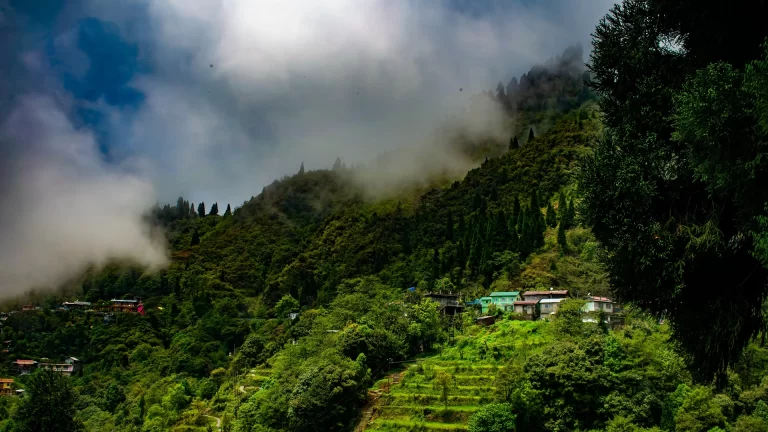
During the monsoon, the landscape transforms. Hills turn lush, small streams flow through valleys, and waterfalls appear along forest roads. Mango trees, fields, and lakes create a scene that feels far removed from the desert image of Rajasthan.
Villages here are simple and welcoming. Life is rooted in tradition, and travelers are often treated like guests rather than customers. The quiet of this region makes it easy to slow down and observe everyday life without feeling like an outsider.
Kumbhalgarh beyond the fort
Kumbhalgarh is known for its massive fort, but very few travelers explore the hills that surround it. Beyond the walls lies a large stretch of forest, rocky ridges, and quiet valleys that remain largely untouched.
The Kumbhalgarh wildlife sanctuary offers long drives through peaceful hills where you may not see another vehicle for miles. Deer, birds, and other wildlife move freely through the forest, and the silence feels deep and uninterrupted.
Staying near these hills offers a rare experience in Rajasthan. Nights are dark and still, mornings are filled with birdsong, and the landscape feels completely disconnected from city life.
Alwar’s overlooked hill landscapes
Alwar is often treated as a short stop near Delhi, but the hills around it deserve more attention. The area near Sariska is filled with rocky hills, forest trails, and old ruins hidden among the trees.
These hills feel raw and unpolished. You might come across ancient temples, stepwells, or viewpoints that are not marked on maps. Walking here feels exploratory rather than planned, which is part of the charm.
For travelers who enjoy quiet road trips and nature walks, this part of Rajasthan offers long, empty stretches where the journey itself becomes the highlight.
Why do these hills remain quiet?
The hills of Rajasthan have stayed under the radar for several reasons. They are not part of the popular desert narrative. Tourism development is limited, and there are fewer luxury resorts and curated experiences. Marketing efforts focus on forts, festivals, and cities rather than landscapes and silence.
This lack of attention has helped preserve their character. These hills do not feel staged or crowded. They offer space rather than spectacle and stillness rather than excitement.
A slower way of life
What makes the quiet hills of Rajasthan special is not just the scenery but the way life unfolds here. Days are shaped by natural light rather than schedules. People spend time outdoors, conversations happen without urgency, and evenings are calm.
For solo travelers, writers, photographers, and anyone seeking mental space, these hills offer a sense of ease. There is no pressure to see everything or do everything. You are allowed to simply be.
Best time to visit Rajasthan
The best time to explore Rajasthan’s hills is from October to March, when the weather is cool and pleasant. The monsoon months from July to September bring greenery, especially in southern Rajasthan, and reveal a softer side of the landscape. Summers can be warm, but hill areas like Mount Abu remain relatively comfortable.
Why does no one tell you about them?
Once you experience the quiet hills of Rajasthan, busy destinations feel louder than before. You become more aware of crowds and more appreciative of silence. These hills change the way you travel.
They do not offer grand attractions or packed itineraries. They offer space, time, and calm. And perhaps that is why no one warns you about them.
Final thoughts
The quiet hills of Rajasthan are not for rushed travelers or checklist sightseeing. They are for those who enjoy slow mornings, empty roads, and places that feel untouched.
If you are willing to look beyond the usual images of Rajasthan, you will find hills that whisper instead of shout. They may not ask for your attention, but once you discover them, they leave a lasting impression.